
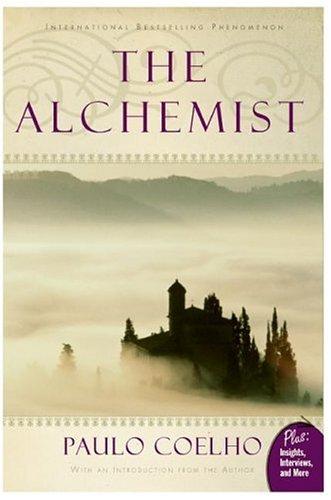
Review Summary
Paulo Coelho's The Alchemist uses the form of a quest to explore vocation, spiritual attention, and the cost of abandoning a deeply held dream. Its language is simple and symbolism direct, giving the novel the clarity of an oral tale.
Book Overview
Santiago, a young Andalusian shepherd, dreams repeatedly of treasure near the Egyptian pyramids. After meeting a mysterious king, he sells his flock and travels across North Africa, learning from merchants, travelers, omens, and an alchemist.
Editorial Review
The book succeeds through sincerity and momentum. Coelho places the story's lessons openly at the center. Readers who enjoy allegory will appreciate this directness, while those who prefer psychological complexity may find the characters more symbolic than fully dimensional.
Writing and Structure
Short scenes and recurring phrases create a meditative rhythm. The narrative moves quickly, but periods of waiting in the crystal shop, desert, and oasis give the book space to consider patience and fear.
What Stands Out
Its most persuasive insight is that pursuing a calling requires attention to aspiration and circumstance. Santiago advances by learning, working, observing, and accepting uncertainty.
Audience and Literary Merit
Best for readers of inspirational fiction, spiritual allegory, philosophical fables, and accessible international literature. Its universal language suits reflective reading and discussion.
Final Assessment
The Alchemist is modest in complexity but strong in emotional accessibility. Familiar ideas about purpose and courage take the shape of a memorable journey.