
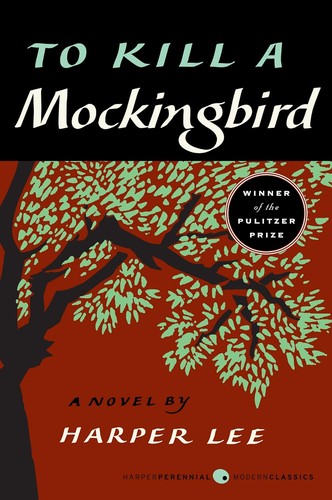
Review Summary
Harper Lee's To Kill a Mockingbird is remembered as a courtroom novel, but its reach is broader. Through Scout Finch's childhood in Maycomb, Alabama, the book studies family, neighborhood mythology, racial injustice, and the gradual loss of innocence.
Book Overview
Scout and Jem are raised by their father, attorney Atticus Finch, during the Great Depression. Their fascination with Boo Radley develops alongside Atticus's defense of Tom Robinson, a Black man falsely accused of assaulting a white woman.
Editorial Review
Scout's perspective gives the novel warmth and immediacy. She notices adult absurdities without always understanding their consequences, allowing readers to recognize meanings she is still learning to name. Neighborhood scenes establish the social conditions that make the courtroom verdict possible.
Writing and Structure
Lee balances humor, memory, and moral seriousness with considerable skill. The episodic first half can feel loosely connected, but its incidents accumulate into a detailed portrait of Maycomb. Contemporary readings also benefit from discussing whose experience the narrative centers.
What Stands Out
The book's strongest moments show the gap between private decency and collective courage. Principles matter, but injustice is also sustained by institutions, habit, and silence.
Audience and Literary Merit
Appropriate for readers of American classics, historical fiction, legal drama, and coming-of-age stories. Discussions of racism, violence, and false accusation make context valuable for younger readers.
Final Assessment
To Kill a Mockingbird remains affecting because its moral vision is carried by vivid characters rather than abstract argument. It supports both admiration and serious critical discussion.