
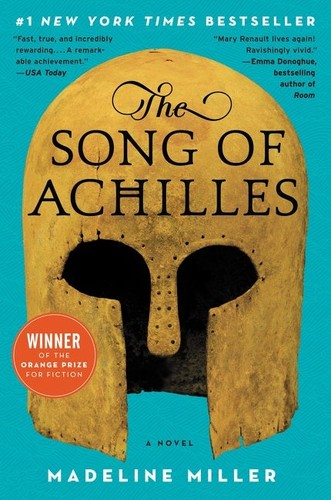
Review Summary
Madeline Miller's The Song of Achilles retells events associated with the Iliad through Patroclus. By shifting attention away from public glory and toward private devotion, the novel makes familiar mythology intimate, vulnerable, and newly consequential.
Book Overview
Exiled from his father's court, Patroclus is sent to Phthia and forms a bond with the brilliant, half-divine Achilles. Their relationship deepens as they train, travel, and join the Greek campaign against Troy. Prophecy gives the story its tragic horizon.
Editorial Review
Patroclus works as narrator because he stands inside and outside heroic culture. He admires Achilles's gifts while remaining alert to suffering left by the pursuit of glory. Achilles becomes a young man shaped by love, pride, expectation, and fear rather than a fixed icon.
Writing and Structure
Miller's prose is lyrical yet readable, with strong sensory detail and measured pace. Early chapters establish the relationship patiently; the Trojan War expands the moral and political scale. Foreknowledge intensifies rather than diminishes the effect.
What Stands Out
Affection develops through companionship and accumulated trust, giving the later tragedy credibility. The final pages bring memory and recognition together with considerable elegance.
Audience and Literary Merit
Recommended for readers of mythology, historical fiction, literary romance, LGBTQ+ fiction, and character-centered retellings. It contains war violence, enslavement, grief, and sexual content.
Final Assessment
The Song of Achilles honors the scale of epic while locating its deepest meaning in human attachment. It rewards both first-time myth readers and those who know the original tradition.