
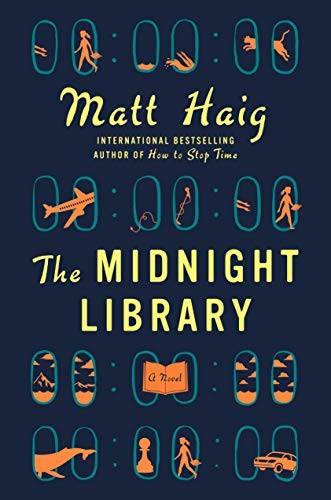
Review Summary
Matt Haig's The Midnight Library begins in despair and develops into a speculative exploration of lives a person might have lived. Its framework gives physical form to regret, allowing Nora Seed to test alternate choices rather than merely wonder about them.
Book Overview
Nora enters a mysterious library between life and death, where every volume contains a different version of her life. Guided by a familiar librarian, she moves through possibilities shaped by changed careers, relationships, ambitions, and acts of courage.
Editorial Review
The premise is immediately engaging and gives the novel an episodic structure. Some alternate lives are brief, while others reveal more about Nora's assumptions. The book is explicit about its themes, increasing accessibility while reducing some ambiguity.
Writing and Structure
Clear prose, short chapters, and repeated returns to the library sustain momentum. The progression is less about finding an objectively best life than changing Nora's way of evaluating experience.
What Stands Out
The novel treats regret as a distortion created by incomplete information. Each abandoned path seems capable of solving one pain, but lived alternatives reveal costs invisible from the outside.
Audience and Literary Merit
Suitable for readers of contemporary fiction, accessible speculative fiction, book-club novels, and stories centered on mental health. The opening includes suicidal ideation.
Final Assessment
The Midnight Library is compassionate, readable, and emotionally direct. Its familiar message gains fresh narrative energy from the library conceit.